








Nyepi: The Day of Silence in Bali
Nyepi, the Day of Silence, marks the Hindu New Year in Bali with traditional parades and effigies burning, followed by a day of meditation and introspection as the island falls into silence.
Nyepi: The Day of Silence in Bali overview
Nyepi, the Day of Silence, marks the Hindu New Year in Bali with traditional parades and effigies burning, followed by a day of meditation and introspection as the island falls into silence.
Important details from the source
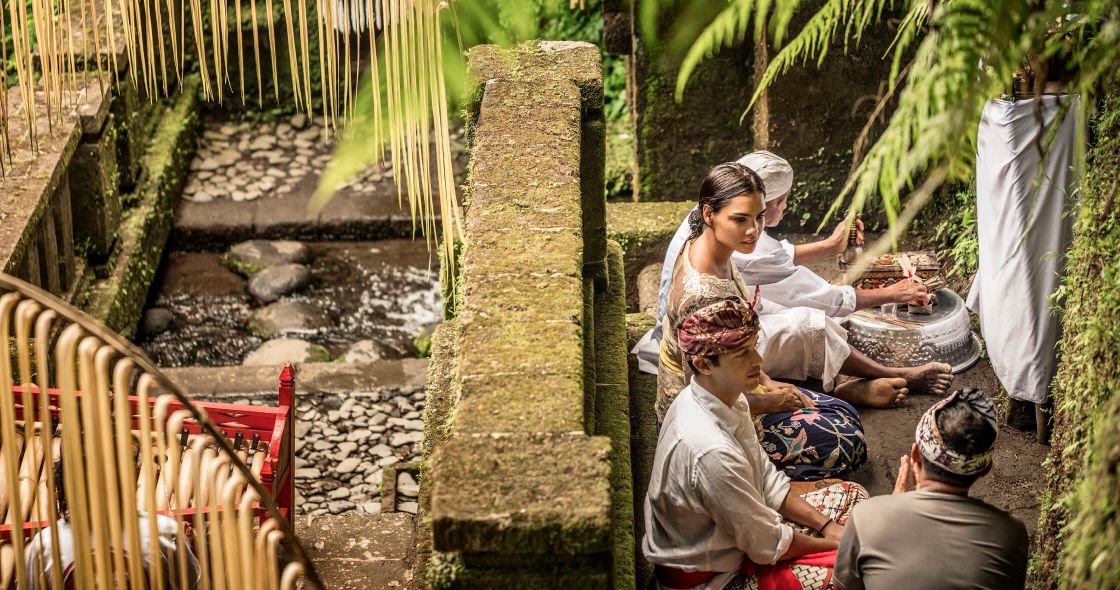
- Nyepi is the Hindu celebration of the New Year — and one of the most sacred days in the Balinese religious calendar.
- A day dedicated to complete silence, the lights are turned low, movement is minimal, and self-reflection reigns supreme.
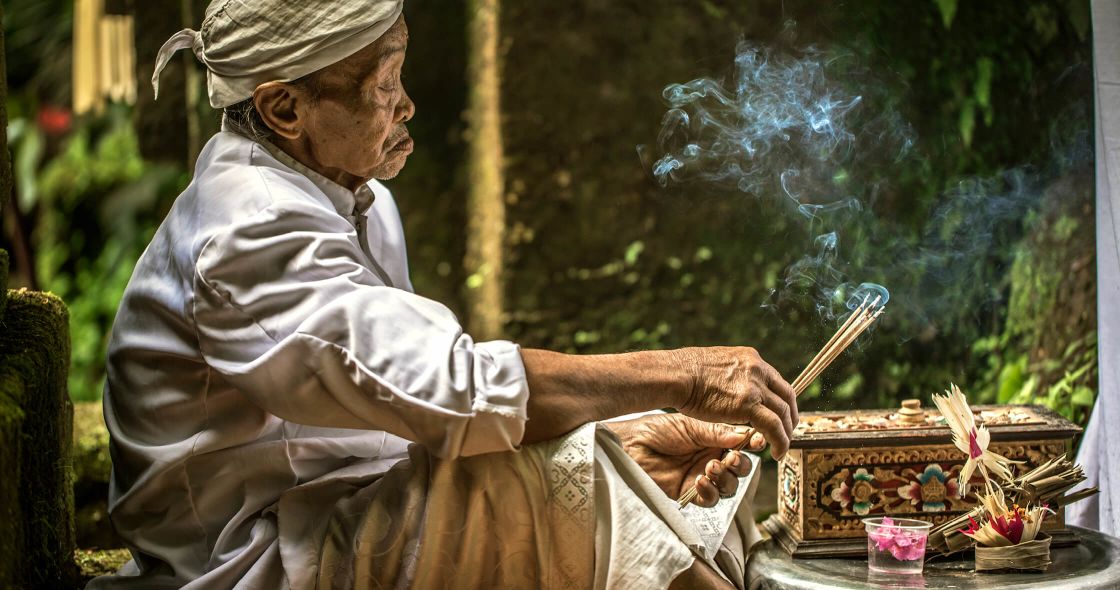
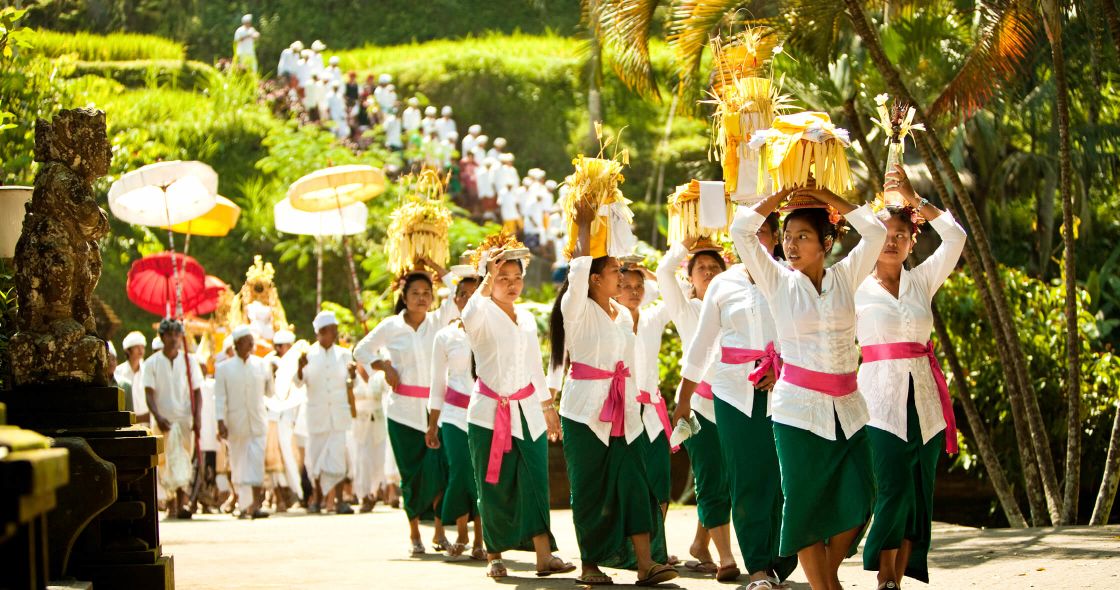
- Also known as the Day of Silence, Nyepi is devoted to meditation and introspection and is ushered in by traditional parades in a blaze of vibrant colour and noise.
- On the eve of Nyepi, Ogoh-Ogohs — monstrous effigies that represent evil spirits and corrupting influences — are carried through towns and villages in a lively procession, before being burnt as a symbol of purification.
- As the final cinders dissolve into ash, Nyepi begins at dawn the next day.
- Bali falls into meditative repose, traffic grinds to a halt and silence blankets the island.
- This is especially powerful in the evening, when the stars come up, and Bali feels like the place that time forgot.
- The history of Nyepi stretches back nearly two thousand years, to the foundation of the Saka Hindu dynasty by King Kanishka of India in 78 AD.
- Hindu Brahmins brought the tradition to Bali.
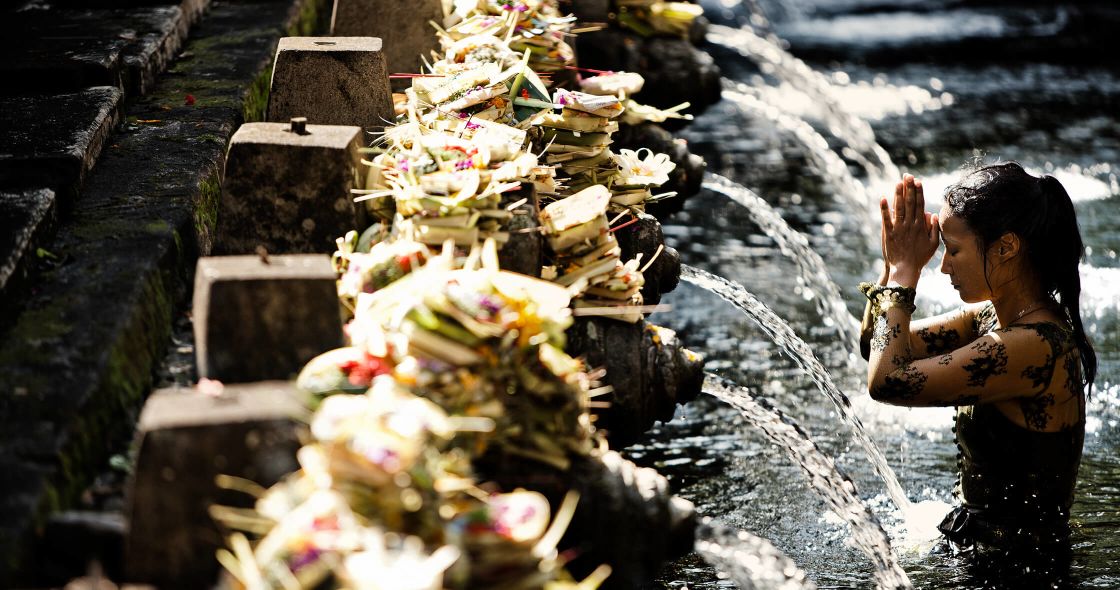
- The silence is regarded as cleansing, warding off any final traces of the evil spirits.
What this means for readers
Nyepi: The Day of Silence in Bali helps readers understand the topic in context, identify the most important points, and decide whether the subject deserves deeper research.
Frequently asked questions
What is Nyepi: The Day of Silence in Bali about?
Nyepi: The Day of Silence in Bali is based on source material acquired by TUR4ME and rewritten into a structured editorial format for discovery, context, and traceability.
Why is this topic relevant?
The topic is relevant because it contains destination context, distinctive places, cultural or local details, experiences, or other source-supported information that can support deeper exploration.
What should I explore after reading this guide?
Use the guide as a starting point, then explore the countries, places, attractions, experiences, and other details that are relevant to the topic.
Conclusion
Nyepi: The Day of Silence in Bali provides source-based editorial context for readers who want a quick, structured understanding of the topic before continuing their research.


More in Travel


More in Hotel