





Sustainable Sourcing in the Kitchen: Enhancing Flavor and Sustainability
Sustainable sourcing not only benefits the environment but also enhances the quality of dishes, as emphasized by COMO Group's Head Chef Dan Moran, who advocates for sourcing ingredients locally and utilizing them fully.
Sustainable Sourcing in the Kitchen overview
Sustainable sourcing not only benefits the environment but also enhances the quality of dishes, as emphasized by COMO Group's Head Chef Dan Moran, who advocates for sourcing ingredients locally and utilizing them fully.
Important details from the source
- We are constantly looking at ways to be more sustainable.
- With the festive season approaching – a time notorious for provoking over-consumption – it's an opportunity to think carefully about what we really need.
- Consumerism not only has a negative impact on our wallets, but more seriously on the environment.
- As the demand for goods increases, the requirement to produce these goods also increases.
- This leads to more pollutant emissions, increased land-use and deforestation, and accelerated climate change.
- Beyond its moral responsibility, sustainable sourcing also benefits the quality of the dishes you create.
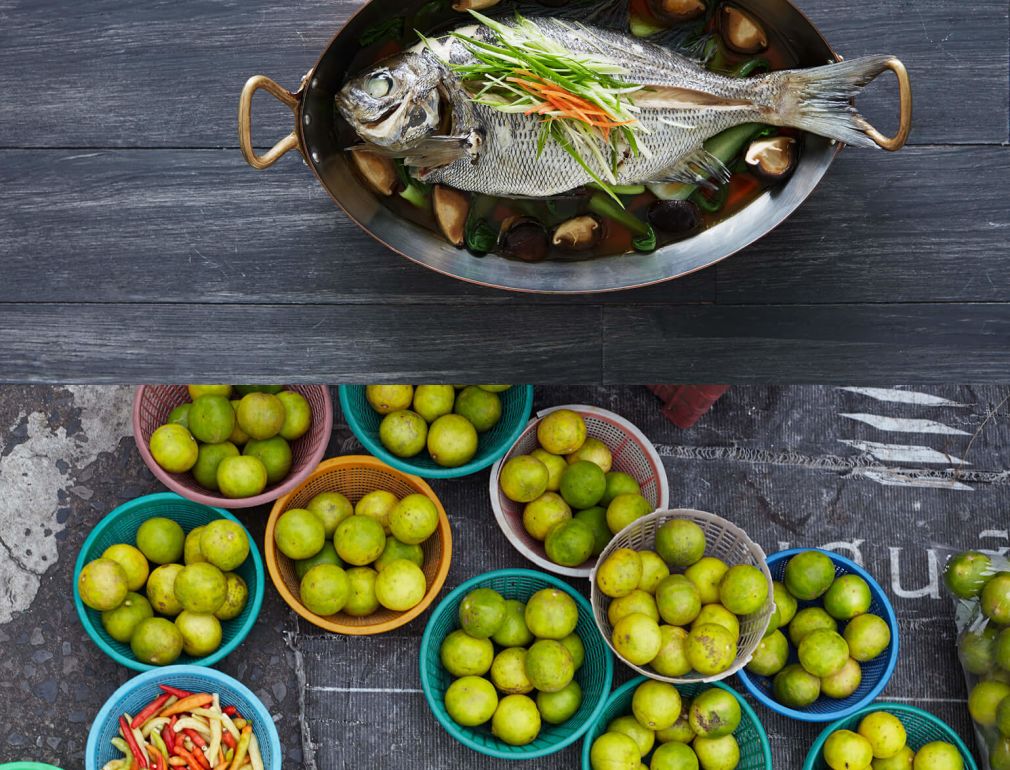
- “It’s basic,” says COMO Group's Head Chef Dan Moran, “the closer you source ingredients from, the fresher and tastier they are.
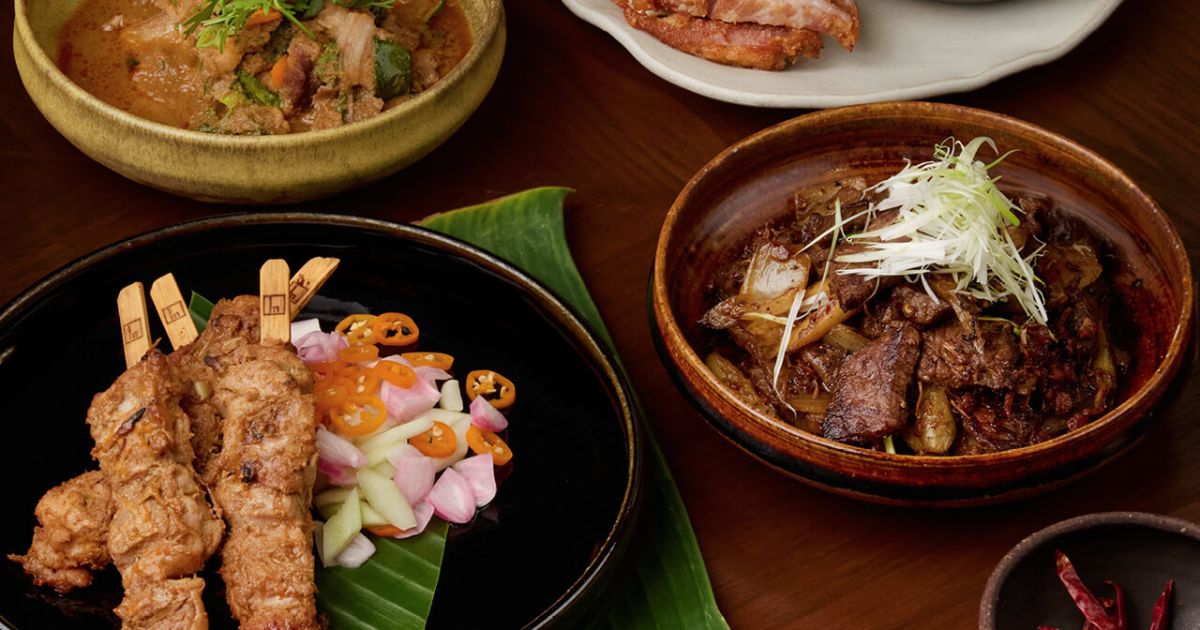
- Where possible, we also try and work head to fin, snout to tail”.
- If you’re looking for ways to be more sustainable in the kitchen, read on.
- We’ve asked our chefs around the world to share how they’ve been sourcing, cooking and storing with the environment front-of-mind.
What this means for readers
Sustainable Sourcing in the Kitchen helps readers understand the topic in context, identify the most important points, and decide whether the subject deserves deeper research.
Frequently asked questions
What is Sustainable Sourcing in the Kitchen about?
Sustainable Sourcing in the Kitchen is based on source material acquired by TUR4ME and rewritten into a structured editorial format for discovery, context, and traceability.
Why is this topic relevant?
The topic is relevant because it contains destination context, distinctive places, cultural or local details, experiences, or other source-supported information that can support deeper exploration.
What should I explore after reading this guide?
Use the guide as a starting point, then explore the countries, places, attractions, experiences, and other details that are relevant to the topic.
Conclusion
Sustainable Sourcing in the Kitchen provides source-based editorial context for readers who want a quick, structured understanding of the topic before continuing their research.


More in Travel



More in Hotel