

Bhutanese Delicacies: Cordyceps and Community
At COMO Uma Paro and COMO Uma Punakha, guests can savor the 'Yartsa-Guen-Bub' dessert, a traditional Bhutanese treat made from cordyceps fungus, embodying community, conservation, and the country's sustainable ethos.
Bhutanese Delicacies: Cordyceps and Community overview
At COMO Uma Paro and COMO Uma Punakha, guests can savor the 'Yartsa-Guen-Bub' dessert, a traditional Bhutanese treat made from cordyceps fungus, embodying community, conservation, and the country's sustainable ethos.
Important details from the source
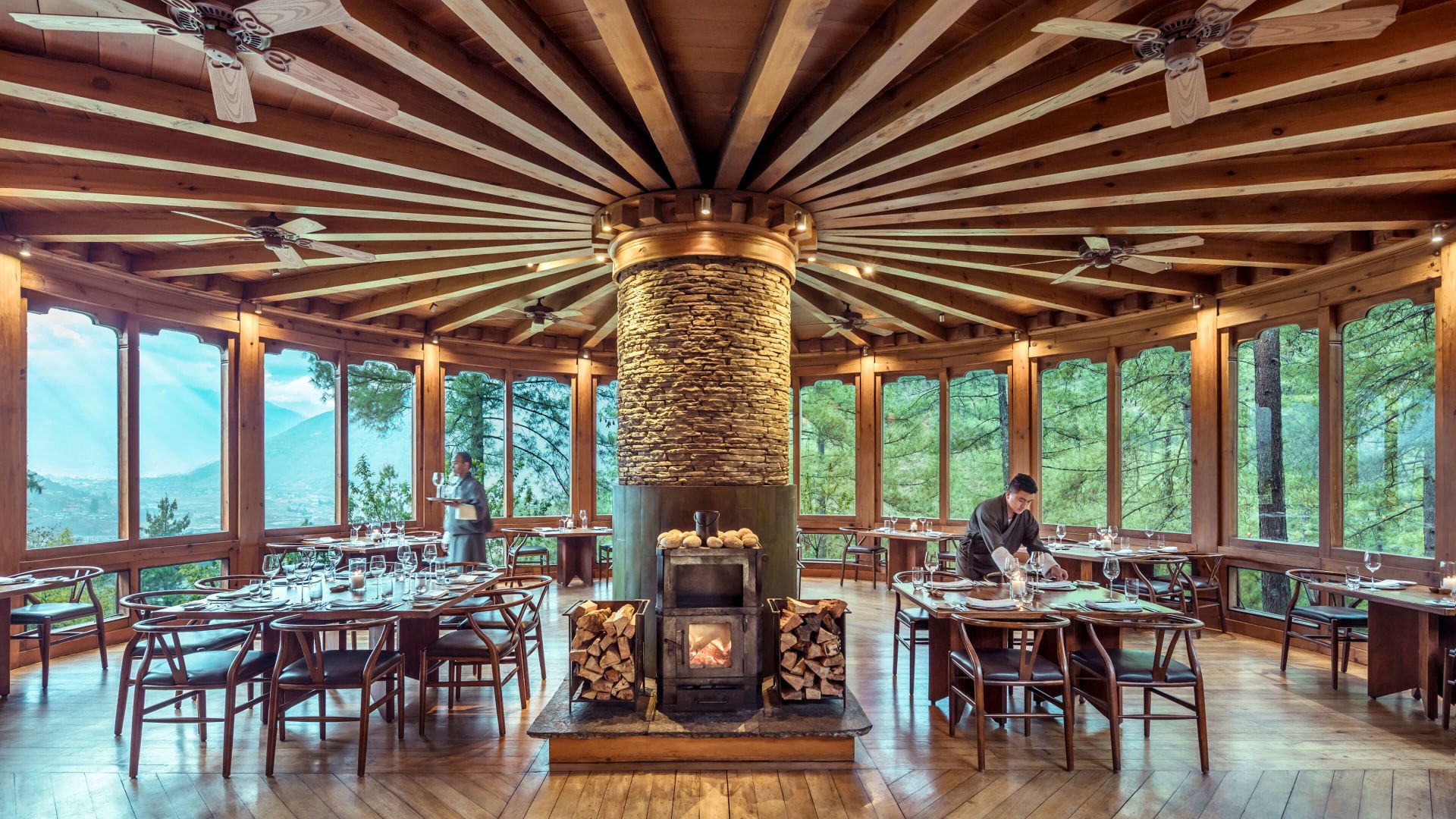
- At Bukhari restaurant - in each of our Bhutanese lodges - a dish starring one of the world's rarest fungi invites guests to savour a story of community, conservation, and mountain ritual.
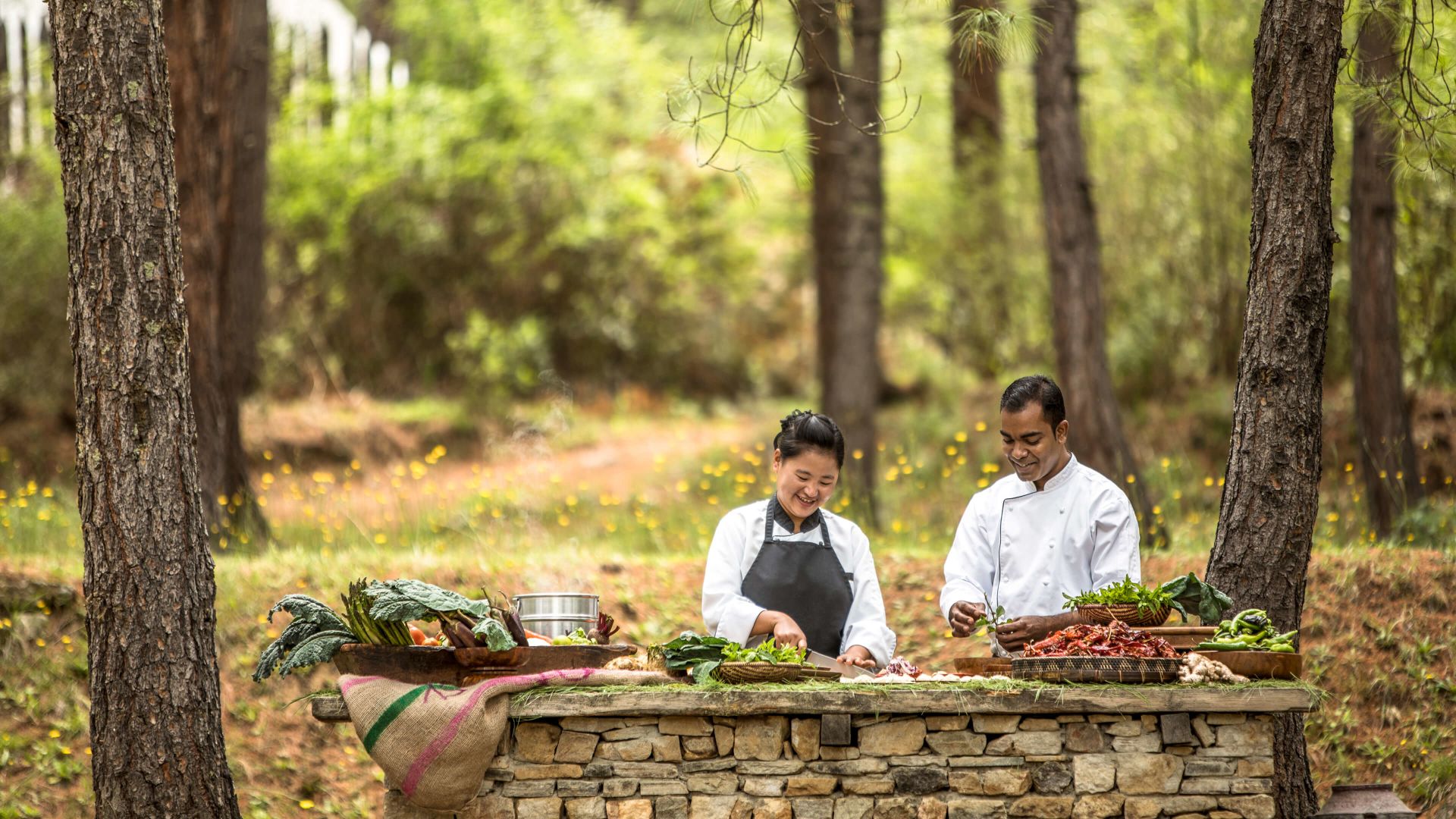
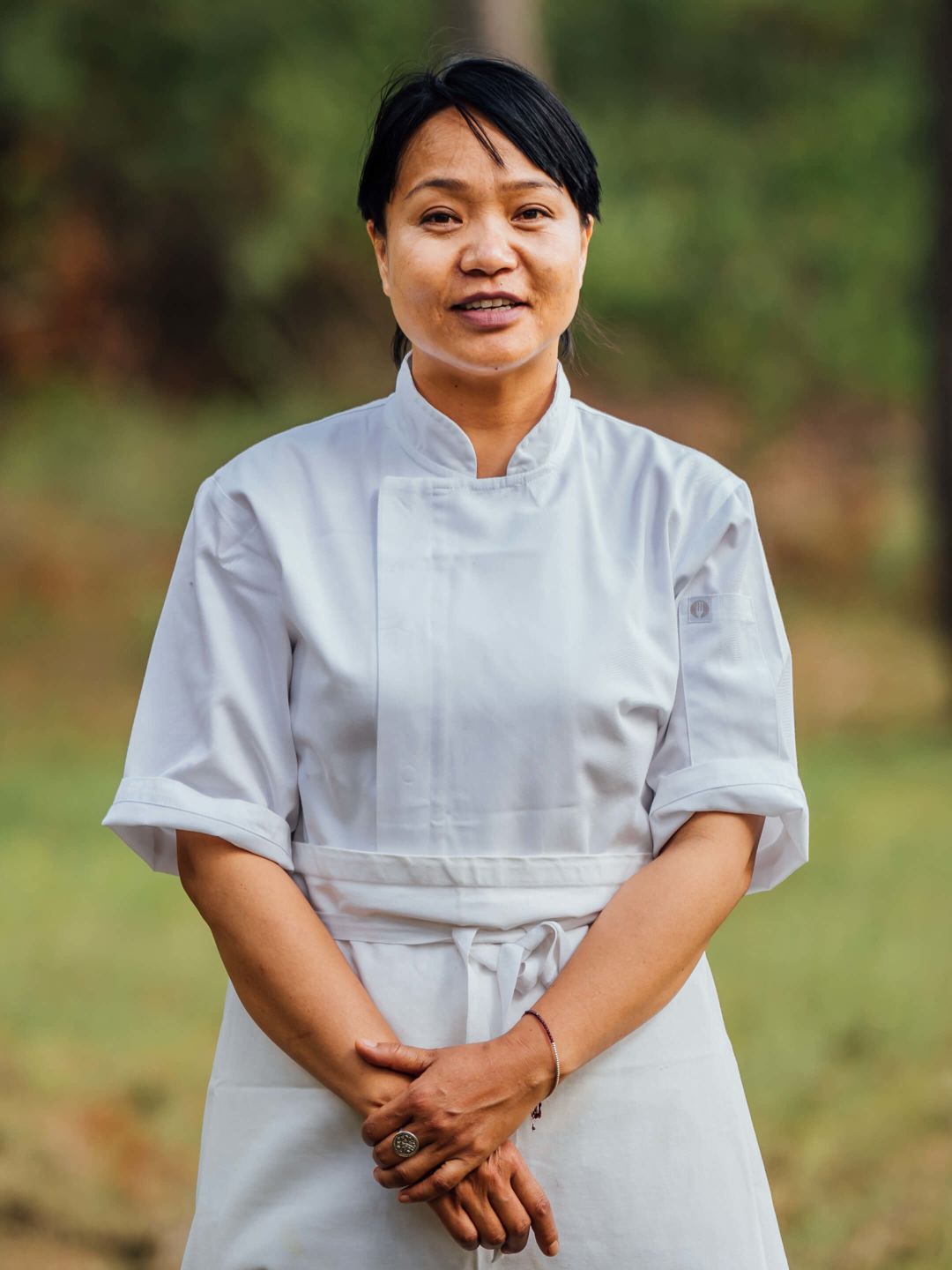
- Open a menu at Bukhari restaurant during your stay at COMO Uma Paro or COMO Uma Punakha in Bhutan, and you might find Chef Tshering Lhaden's signature ‘Yartsa-Guen-Bub'.
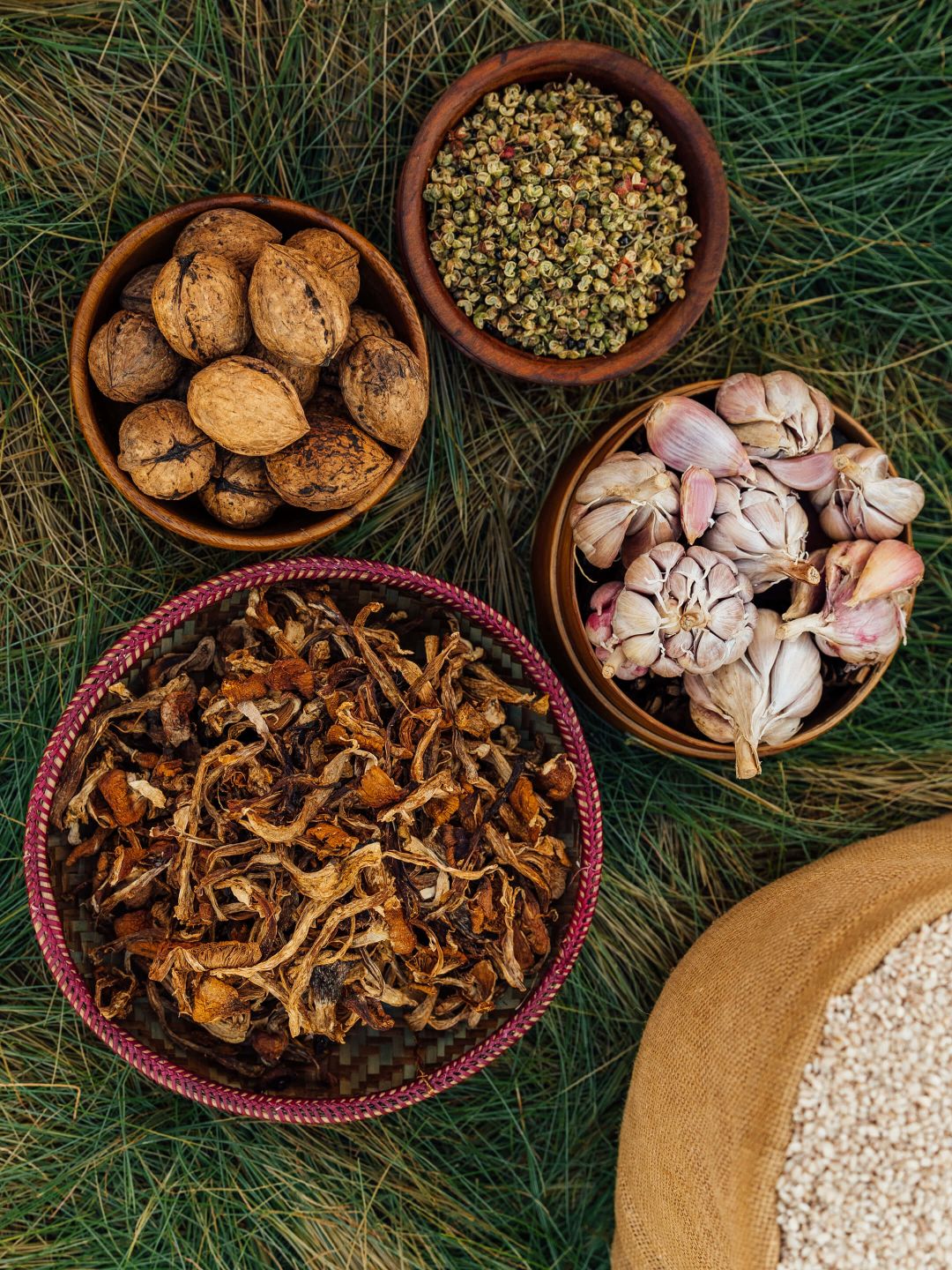
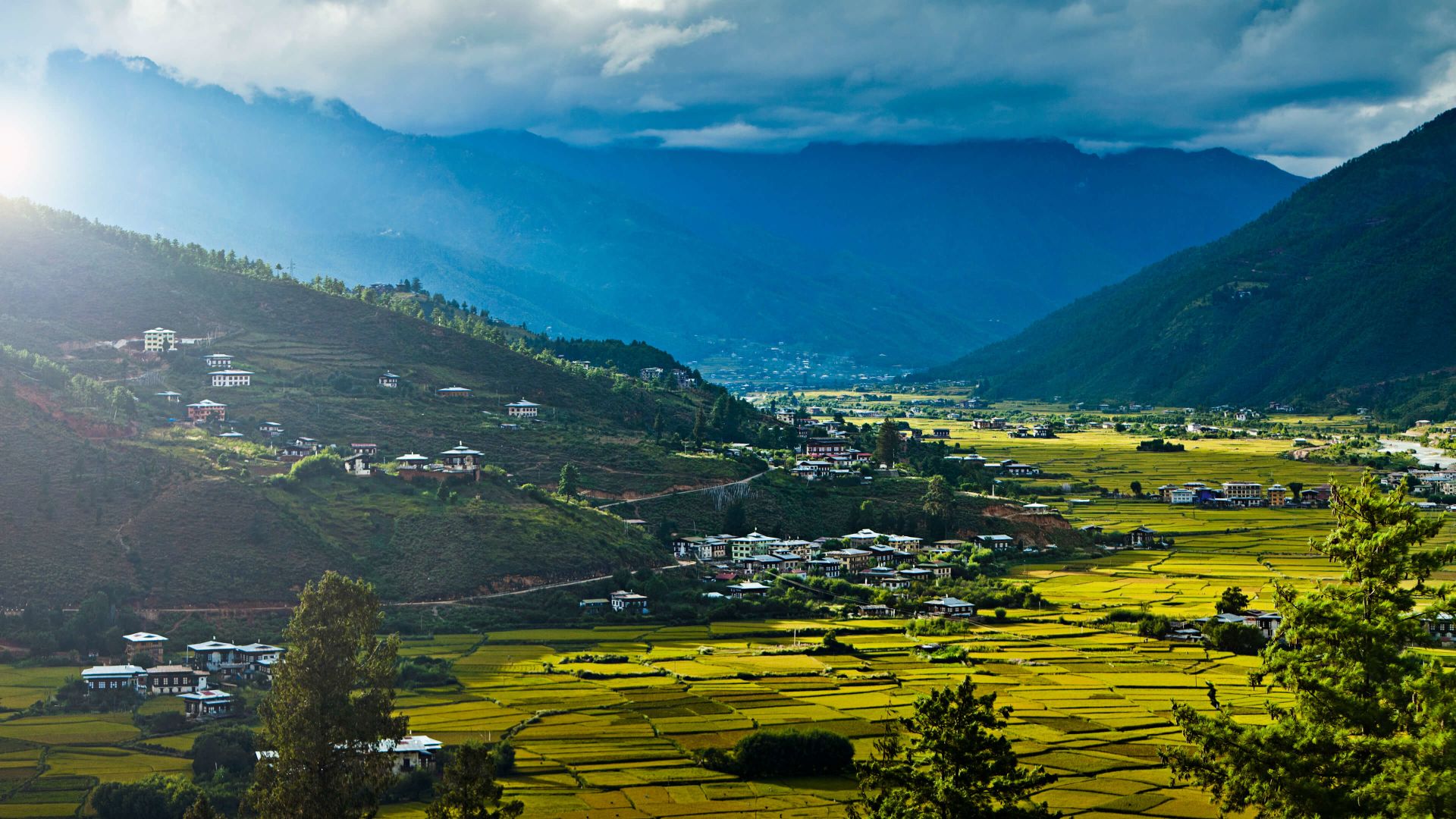
- This traditional Bhutanese dessert is made from fresh milk jelly infused with cordyceps fungus harvested from the Laya Valley, and paired with poached seasonal stone fruit and walnuts.
- “It's a blend of so many textures and flavours”, says Chef Tshering: “the crunch of nuts pairs beautifully with the velvety creaminess of the jelly, the bright, tart notes of fruit, and the woody earthiness of cordyceps.”.
- For Chef Tshering, celebrating Bhutan's agricultural heritage is as important as the final plate.
- The milk is sourced from a nearby farmer; the fruit is seasonal and local.
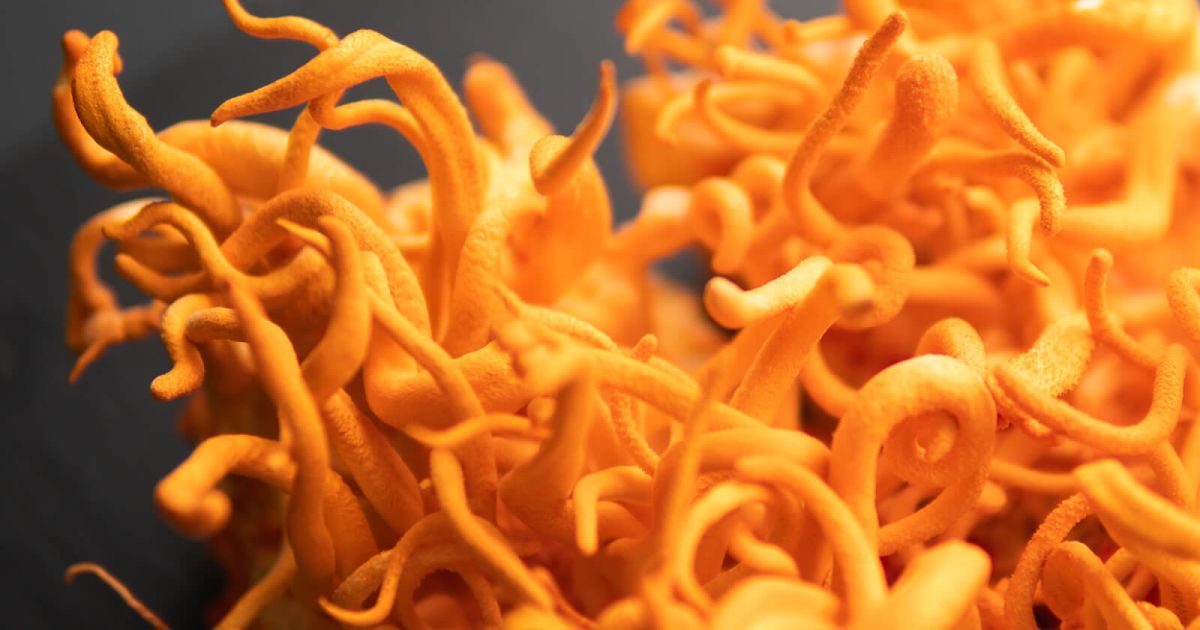
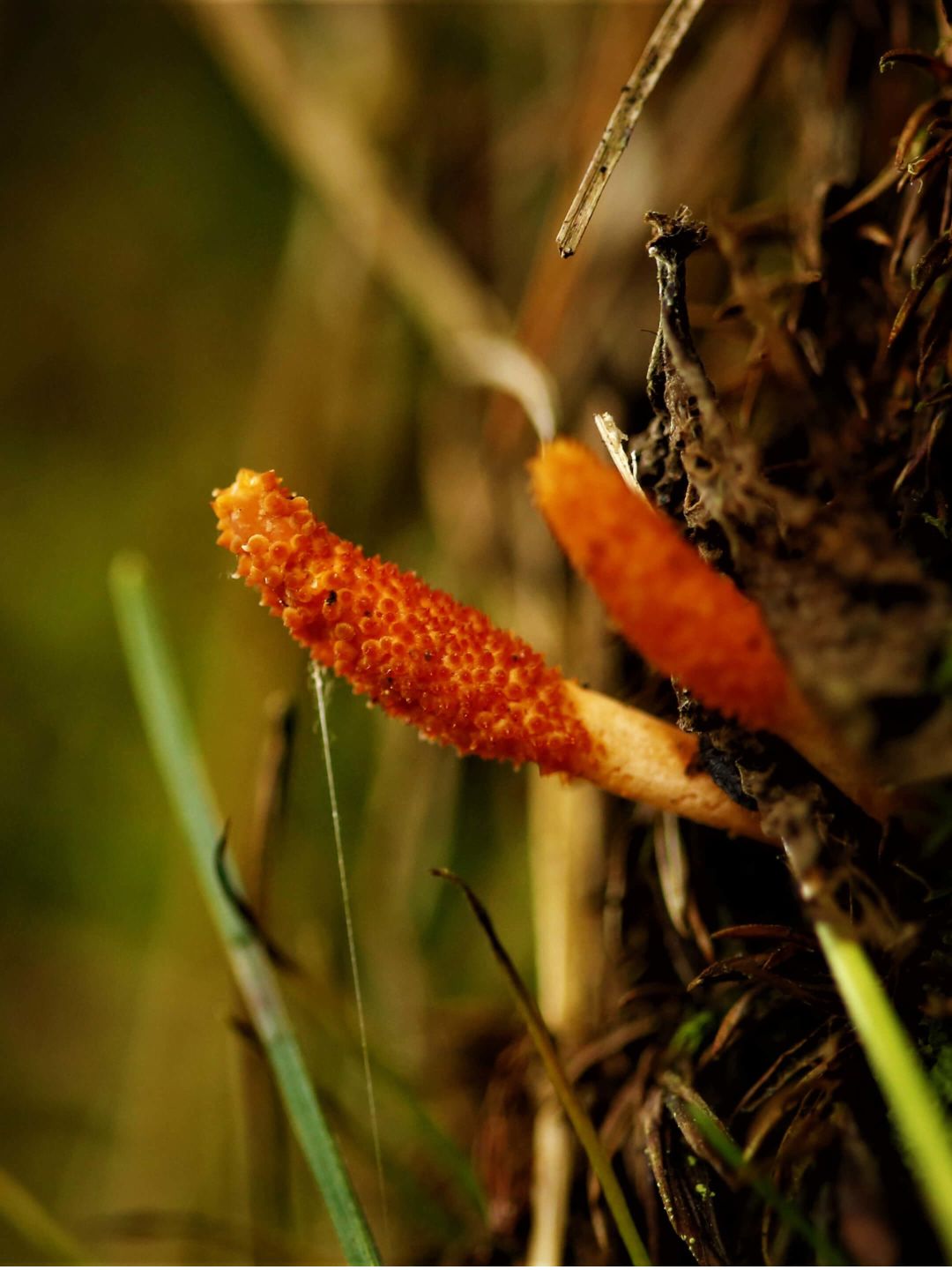
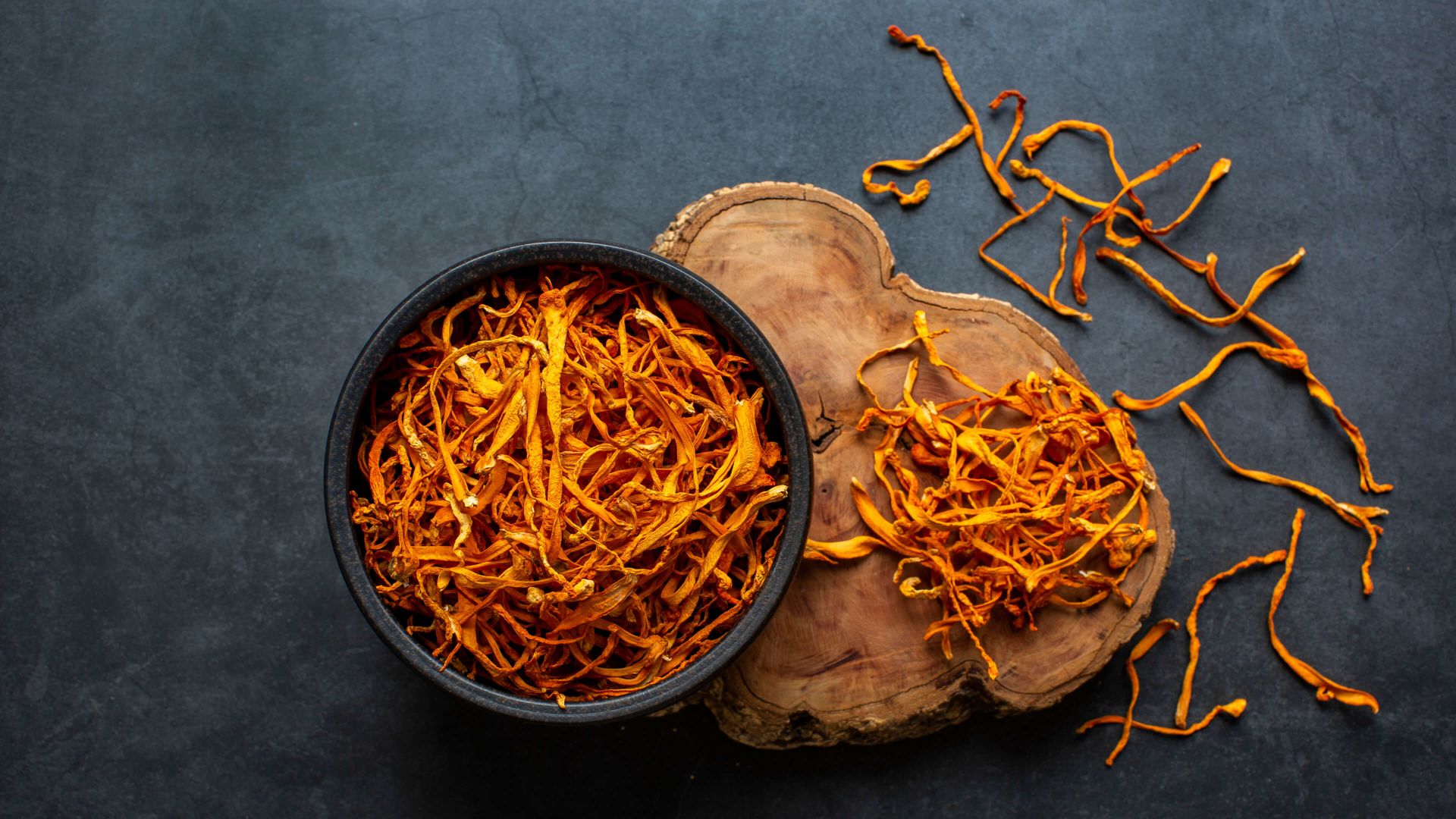
- But it is the cordyceps - slender, golden-brown, and almost impossibly rare - that transform the dish into something truly special.
- “Cordyceps is an ingredient that embodies Bhutan itself: hard-to-find, humble and nourishing,” Chef Tshering continues.
- This strand-like fungus isn't just special to Chef Tshering: cordyceps sinensis has been prized in Himalayan culture for centuries.
- Known locally as ‘yartsa gunbu', and globally as ‘Himalayan gold', this curious ingredient emerges from the larvae of ghost moths, forming clusters of slender stems.
What this means for readers
Bhutanese Delicacies: Cordyceps and Community helps readers understand the topic in context, identify the most important points, and decide whether the subject deserves deeper research.
Frequently asked questions
What is Bhutanese Delicacies: Cordyceps and Community about?
Bhutanese Delicacies: Cordyceps and Community is based on source material acquired by TUR4ME and rewritten into a structured editorial format for discovery, context, and traceability.
Why is this topic relevant?
The topic is relevant because it contains destination context, distinctive places, cultural or local details, experiences, or other source-supported information that can support deeper exploration.
What should I explore after reading this guide?
Use the guide as a starting point, then explore the countries, places, attractions, experiences, and other details that are relevant to the topic.
Conclusion
Bhutanese Delicacies: Cordyceps and Community provides source-based editorial context for readers who want a quick, structured understanding of the topic before continuing their research.


More in Hotel

More in Travel